
CASO Design UK
Email: contact@casodesign.co.uk
Phone: 0203 318 6187
Unit 400
Buckingway Business Park,
Anderson Road, Swavesey, Cambridge, CB24 4UQ
Press Enquiries: Click Here


Keep your beverages tasting their best with the CASO Design range of wine fridges.
Showing all 12 results
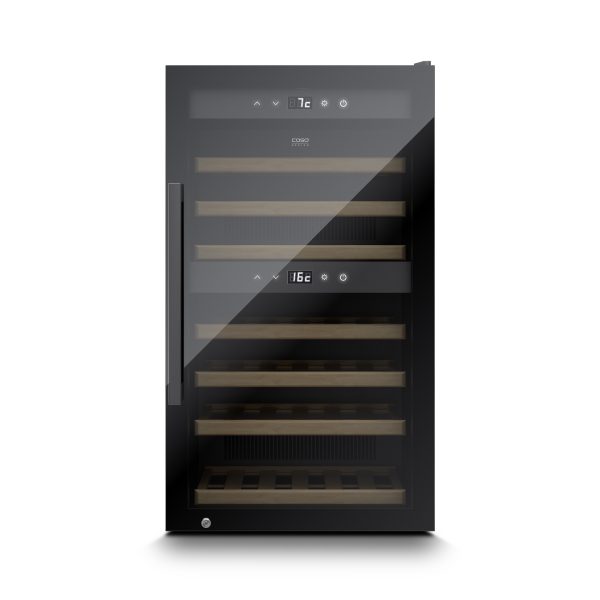
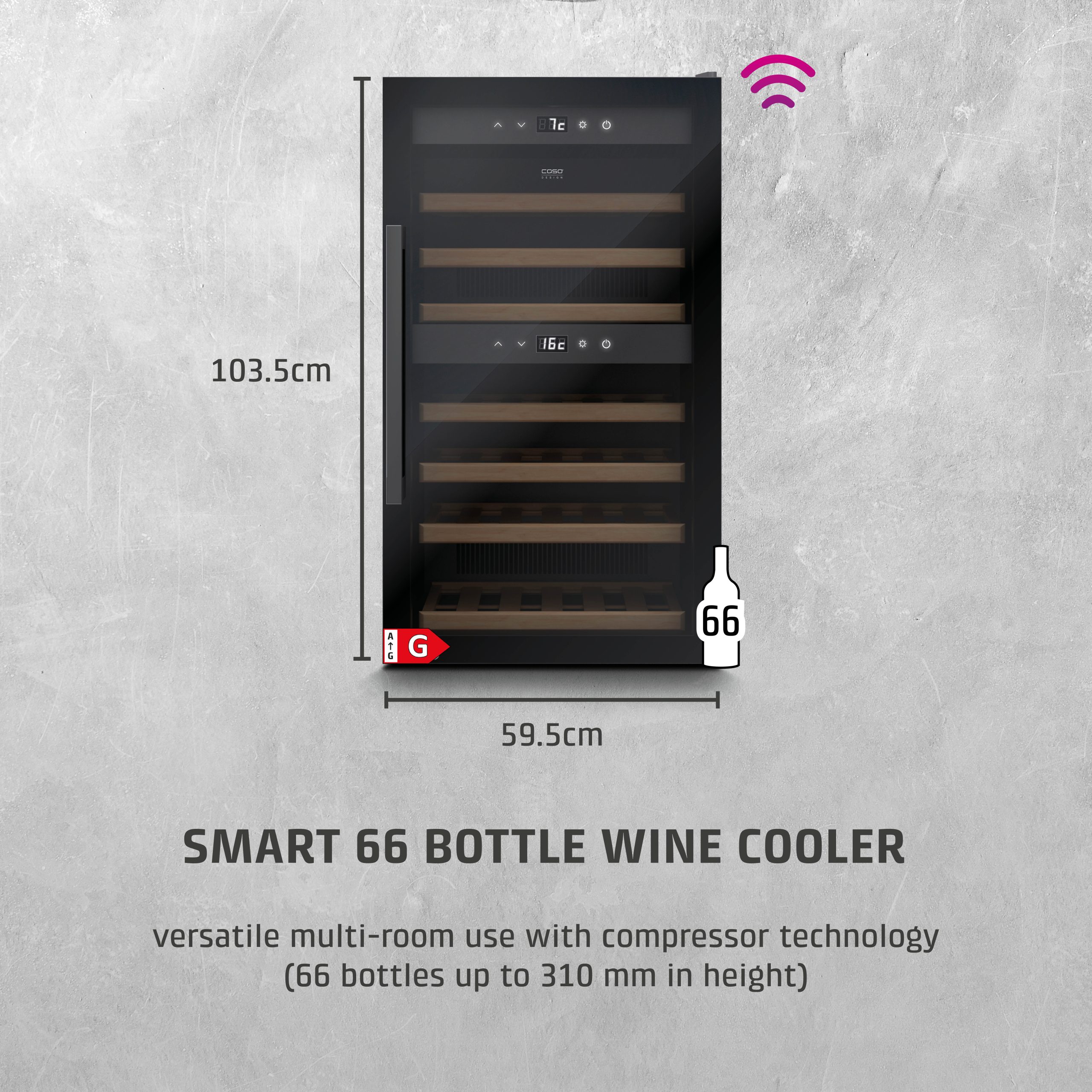
Wine coolers keep every bottle at its proper drinking temperature, something a kitchen fridge cannot do. CASO wine coolers hold from 1 to 66 bottles, with dual temperature zones so reds and whites can be stored side by side, UV-protective glass and quiet compressor cooling. Smart models add app control from anywhere. Explore the range below.






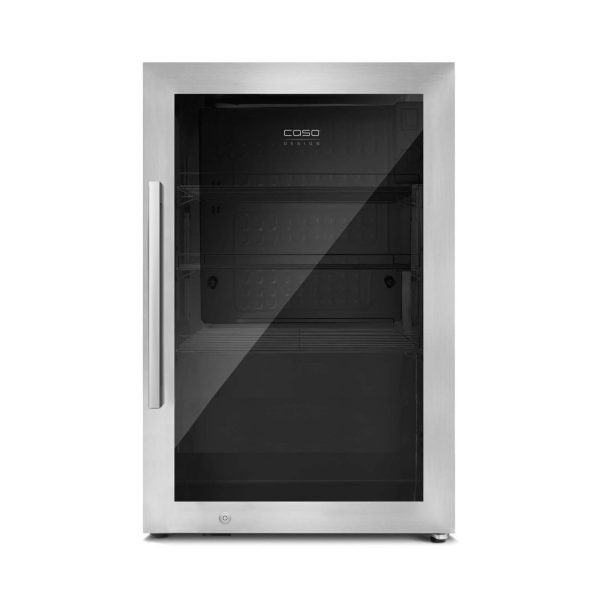
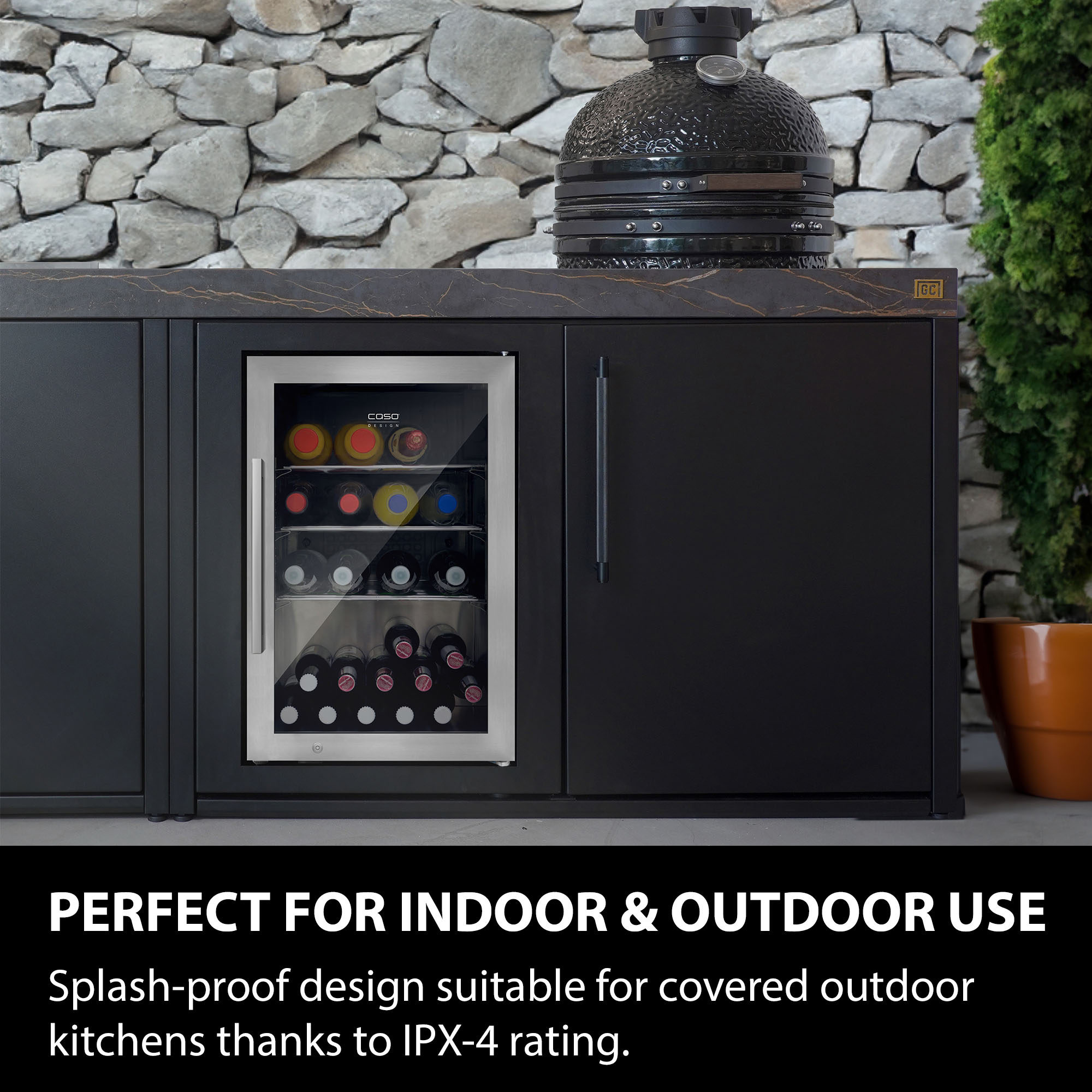


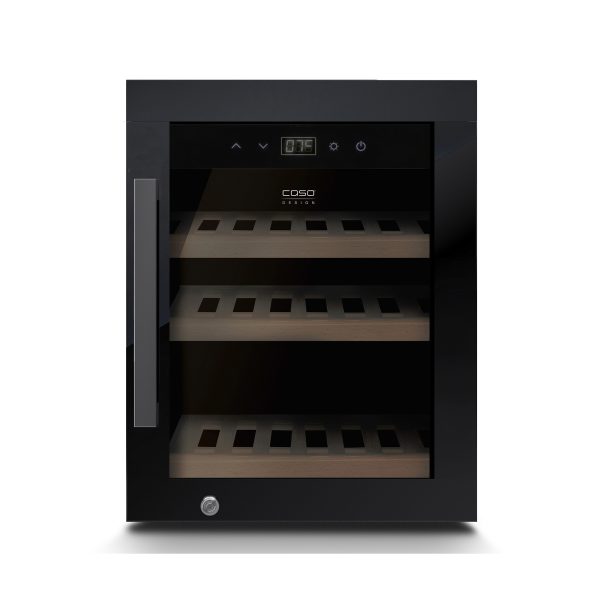
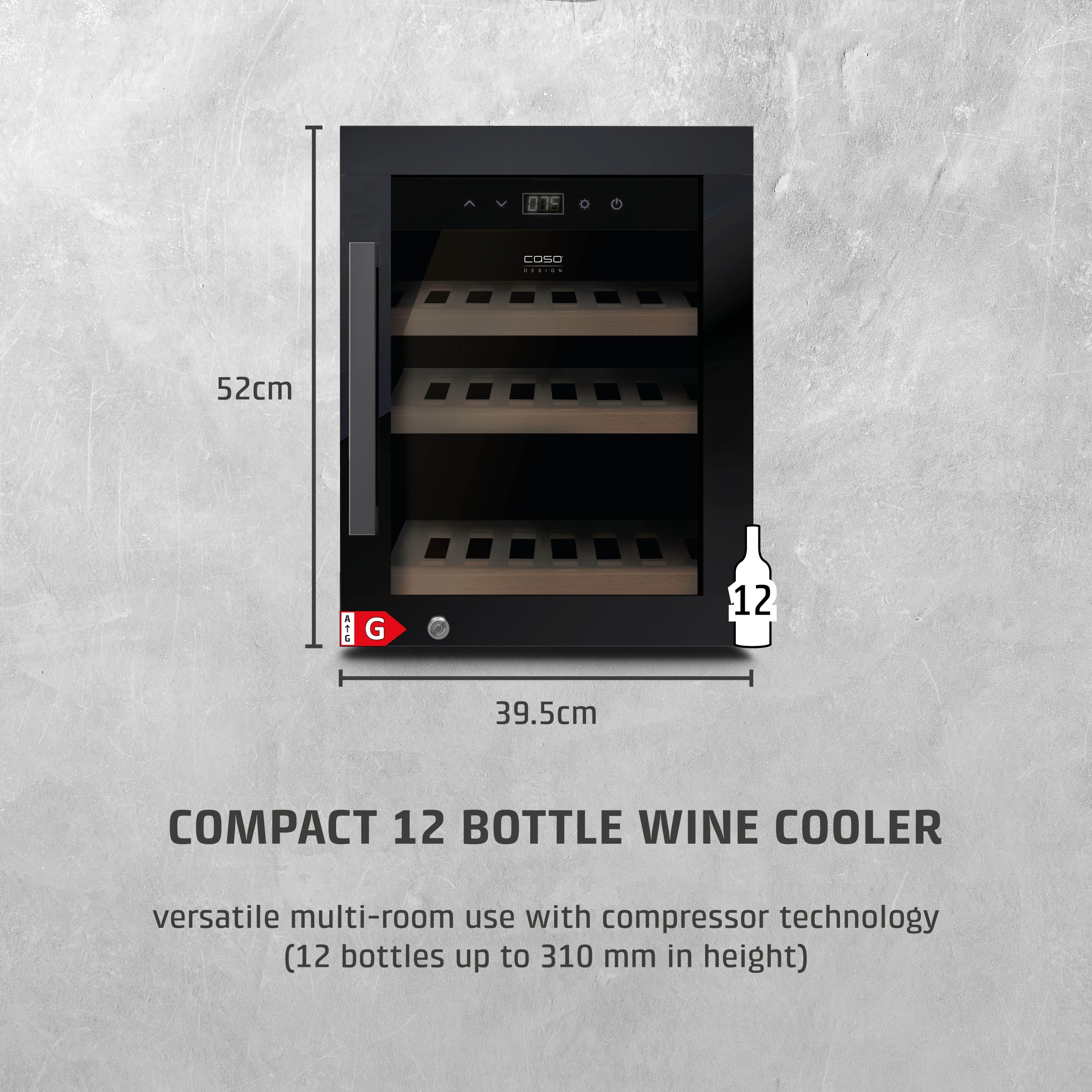
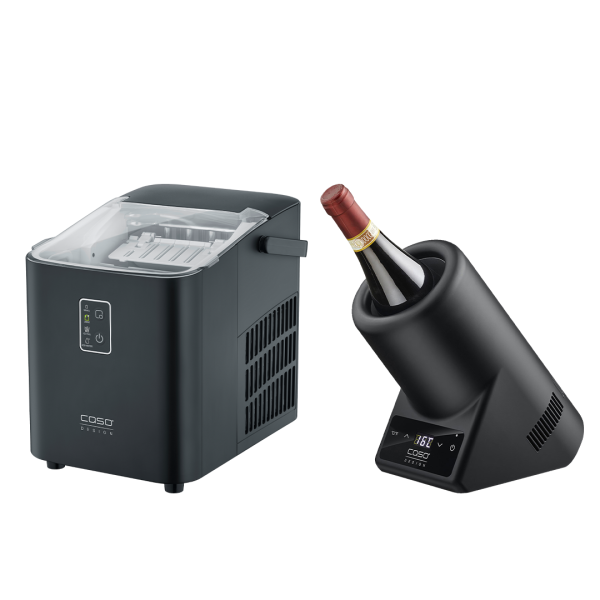

A domestic fridge runs at around 4 degrees. That is right for milk and it is wrong for almost every wine. Whites served that cold are numb and closed up, and reds stored that cold never show their character at all. A wine cooler holds a steady, higher temperature chosen for wine rather than food.
Temperature is only half of it. A kitchen fridge is a hostile place for wine in three other ways. It vibrates every time the compressor cycles, which disturbs the sediment in a bottle laid down for any length of time. It is very dry, which slowly dries out corks and lets air creep in. And it is full of food, so wine picks up odours through the cork. A wine cooler is built to avoid all three.
This is the first real decision, and it is simpler than it sounds.
A single zone cooler holds the whole cabinet at one temperature. It suits you if you drink mostly one style, or if you are storing bottles for the longer term rather than serving straight from the cabinet.
A dual zone cooler runs two independent compartments at different temperatures, so you can keep whites and sparkling wines cool in one and reds slightly warmer in the other. If you drink a mix, which most households do, dual zone is the more useful choice. Most of the CASO range is dual zone for exactly that reason, with temperatures adjustable from 5 to 20 degrees.
As a rough guide for serving:
For longer term storage rather than serving, a steady 12 to 14 degrees suits almost everything. The important word is steady. Wine is far more damaged by temperature swinging up and down than by sitting a degree or two away from perfect.
Buy for the collection you will have, not the one you have today. Almost everyone underestimates.
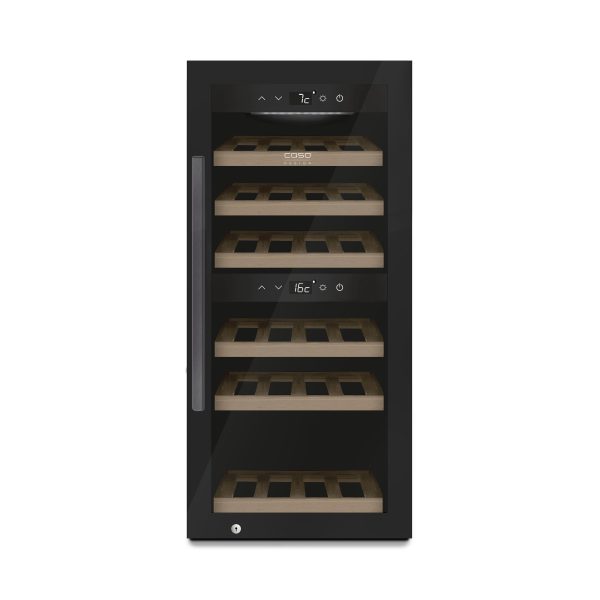
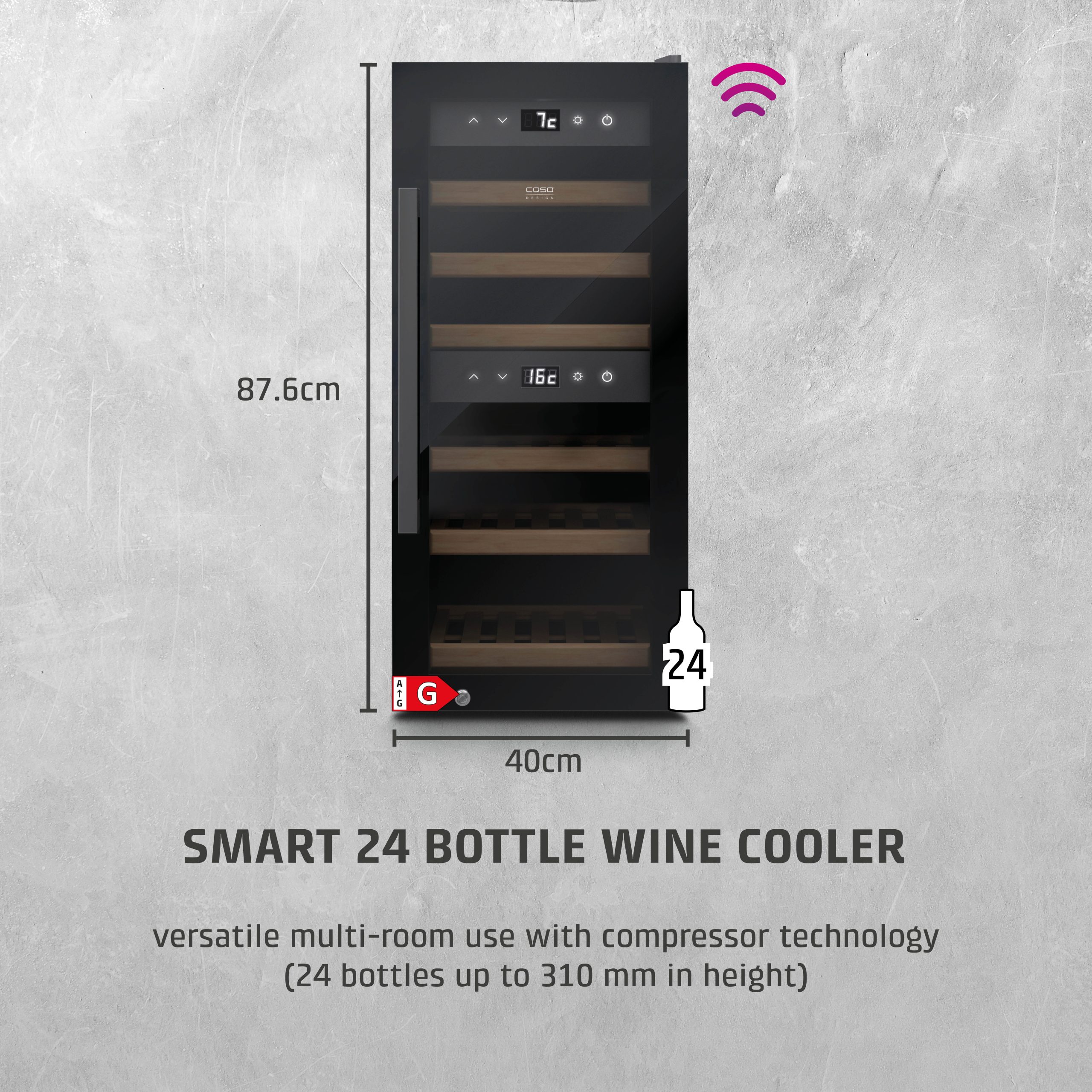
The CASO fridge range runs from 12 bottles up to 66. As a rough guide, 12 bottles suits a small kitchen and everyday drinking, 24 works for most households who like to keep a few things in reserve, and 38 or 66 makes sense if you buy by the case, entertain often or are genuinely building a collection.
Remember that stated capacities assume standard Bordeaux bottles. Burgundy bottles, champagne and anything unusually shaped take up more room, so if your taste runs that way, size up.
Light damages wine, and daylight is worse than artificial light. Look for insulating glass with a UV filter, as used across the CASO range, so a cooler can sit in a bright kitchen or living space without cooking your collection.
Compressor cooling holds temperature reliably even when the room around it is warm, which matters in a kitchen. What you want is a compressor that runs smoothly and quietly, so the cabinet can live in a room you actually use rather than being banished to the garage.
Removable shelves let you make room for larger bottles and magnums. The WineComfort 24, for instance, has five removable shelves.
The Smart models in the WineExclusive line connect to the CASO Control app, so you can check and adjust the temperature from another room or another country. It sounds like a novelty until the first time you are away and want to be sure the cabinet is behaving.
Leave the ventilation clearance the manual specifies, keep the cooler out of direct sunlight and away from an oven or radiator, and make sure the door has room to open fully.
Three questions will get you there.
How many bottles, realistically, do you expect to store over two years? That should point you to whether you need a 12, 24, 38 or 66 bottle fridge.
Do you drink both red and white? If yes, choose dual zone, which most of the range offers.
Do you want app control? The WineExclusive Smart models add it. The WineComfort 24 covers the essentials beautifully without it.
Wine coolers are undemanding. Keep the seal clean so the door closes properly, wipe the interior occasionally with a damp cloth rather than anything perfumed, and if you are storing bottles long term, lay them down so the cork stays wet. Beyond that, leave it alone. A steady temperature and a closed door is all wine really wants.
For serving, aim for 6 to 8 degrees for sparkling, 8 to 12 for crisp whites, 13 to 16 for light reds and 16 to 18 for full bodied reds. For longer term storage a steady 12 to 14 degrees suits almost everything. CASO wine coolers adjust between 5 and 20 degrees.
A single zone cooler holds the whole cabinet at one temperature, which suits one style of wine or longer term storage. A dual zone wine cooler runs two compartments independently, so you can keep whites cool in one and reds warmer in the other. If you drink both, dual zone is the more useful choice.
Not ideally. A fridge runs at about 4 degrees, which is too cold for almost every wine. It also vibrates, is very dry so corks dry out, and is full of food that wine can pick up odours from through the cork. A wine cooler is designed to avoid all of that.
Buy for the collection you will have rather than the one you have now, because most people underestimate. As a guide, 12 bottles suits everyday drinking, 24 suits most households, and 38 or 66 makes sense if you buy by the case or entertain often.
Yes, though stated capacities assume standard Bordeaux bottles. Champagne, Burgundy bottles and unusual shapes take up more space, so if you buy a lot of those it is worth sizing up. Removable shelves make room for larger bottles.
CASO models use smooth-running compressors chosen for low noise, so they are suited to kitchens and living spaces rather than needing to be shut away. You will hear the compressor cycle occasionally, much like a quiet fridge.
Yes. The CASO range uses insulating safety glass with a UV filter, which blocks the light that damages wine. That means a cooler can sit in a bright room without harming your collection.
On the Smart models in the WineExclusive range, the app lets you check and adjust the temperature of your wine cooler remotely, so you can keep an eye on it from another room or while you are away.
Somewhere out of direct sunlight and away from an oven or radiator, with the ventilation clearance given in the manual and enough room for the door to open fully. A steady room temperature helps the cooler work less hard.
CASO Design UK
Email: contact@casodesign.co.uk
Phone: 0203 318 6187
Unit 400
Buckingway Business Park,
Anderson Road, Swavesey, Cambridge, CB24 4UQ
Press Enquiries: Click Here

Follow Us

Distributed by: Stearn Electric Co. Ltd T/A Beam Group
Registered Address: Votec House, Hambridge Lane, Newbury, RG14 5TN, England
Company Registration No.: 00201097
VAT Number: GB927202736
© 2026 CASO Design UK | All rights reserved.